Smile 2 (1)
Mar 3
3 min read
Updated: Mar 4

The opening sequence of "Smile 2" sets the film from the very beginning by following up on the unsettling tradition of its predecessor, but going further into the psychological horror genre. Right from the first frame, we are immersed in an atmosphere of tension. The camera lingers in vacant domestic interiors before finally bringing into view the protagonist, a pop star whose image of glamorous perfection is only slowly pecked at by the menacing shadow of the "smile." This contrast between her public and private selves is an eventual visual and thematic touchstone for the film, and makes the opening montage more than a mere introduction, it is a thesis statement regarding the corrosive power of buried trauma beneath layers of surface level perfection.
The sound effects are what primarily create this tension. The beginning doesn't overwhelm us with jump scares, but rather uses the absence of sound, muted whispers, and faint echoes that are slightly "off." These all create an audio dissonance, suggesting there is something present just on the periphery of our awareness. When added to the distant hum of performance rehearsals and crowd murmur, the soundscape underscores the protagonist's doubled reality: loved and vaunted on stage, alone and pursued in secret. This brilliant layering is a reflection of the very conflict at the centre; how a life honed to shine under the public eye can fall apart under the hidden burden of fear.
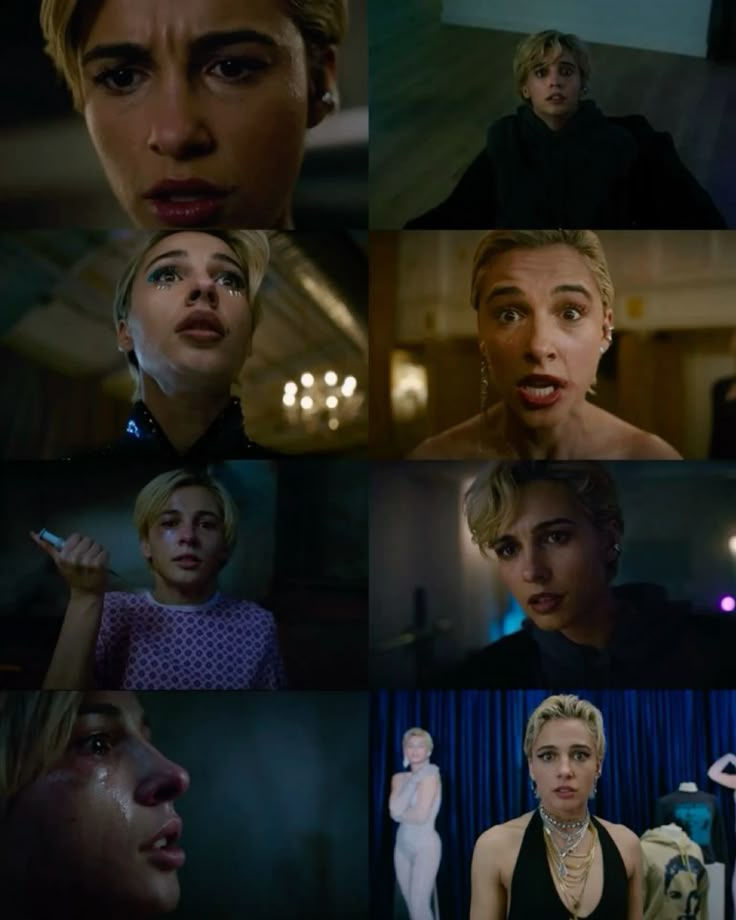
Compositionally, the cinematography itself is all about contrast. We transition from blindingly bright stage lighting to dark, stifling interiors where shadows predominate. In a dramatic instant, a protracted close up of the heroine's face reveals her smiling in practiced perfection, only for the smile to disintegrate when she catches a glimpse of something unnatural out of the corner of her eye. This mirror-and-reflection use is not merely a horror convention nod but also a symbolising tool; the smile becomes an uninvited mask, a performance that devours the actor. The camera holds close on her face intentionally, heightening the unease of seeing a smile that is unnatural, forced, or inhumane.

The editing in the beginning is intentionally disjointed, reflecting the heroine's broken sense of reality. Quick cuts disrupt the continuity of everyday actions, making the audience second guess what is real and what might be a hallucination. For instance, a brief insert of a smiling figure in the crowd flashes across the screen, gone before the viewer can fully process it. This blink-and-miss genre of editing sows seeds of paranoia not only for the character, but also for the audience themselves, who are all the time wondering if they can believe their eyes.
Symbolism also bears heavily during the opening minutes. The smile is no longer a mere creepy grin but an omnipresent motif; it shows up in posters, stage visuals, and even the exaggerated smiles of fans. What is meant to symbolise joy and adoration is tainted, a visual cue that fear has permeated every aspect of the protagonist's existence. By situating the symbol within the pop star's working life, the film skilfully critiques the expectation of preserving a "perfect" persona in sectors based on artifice, while also providing supernatural horror.


Comments